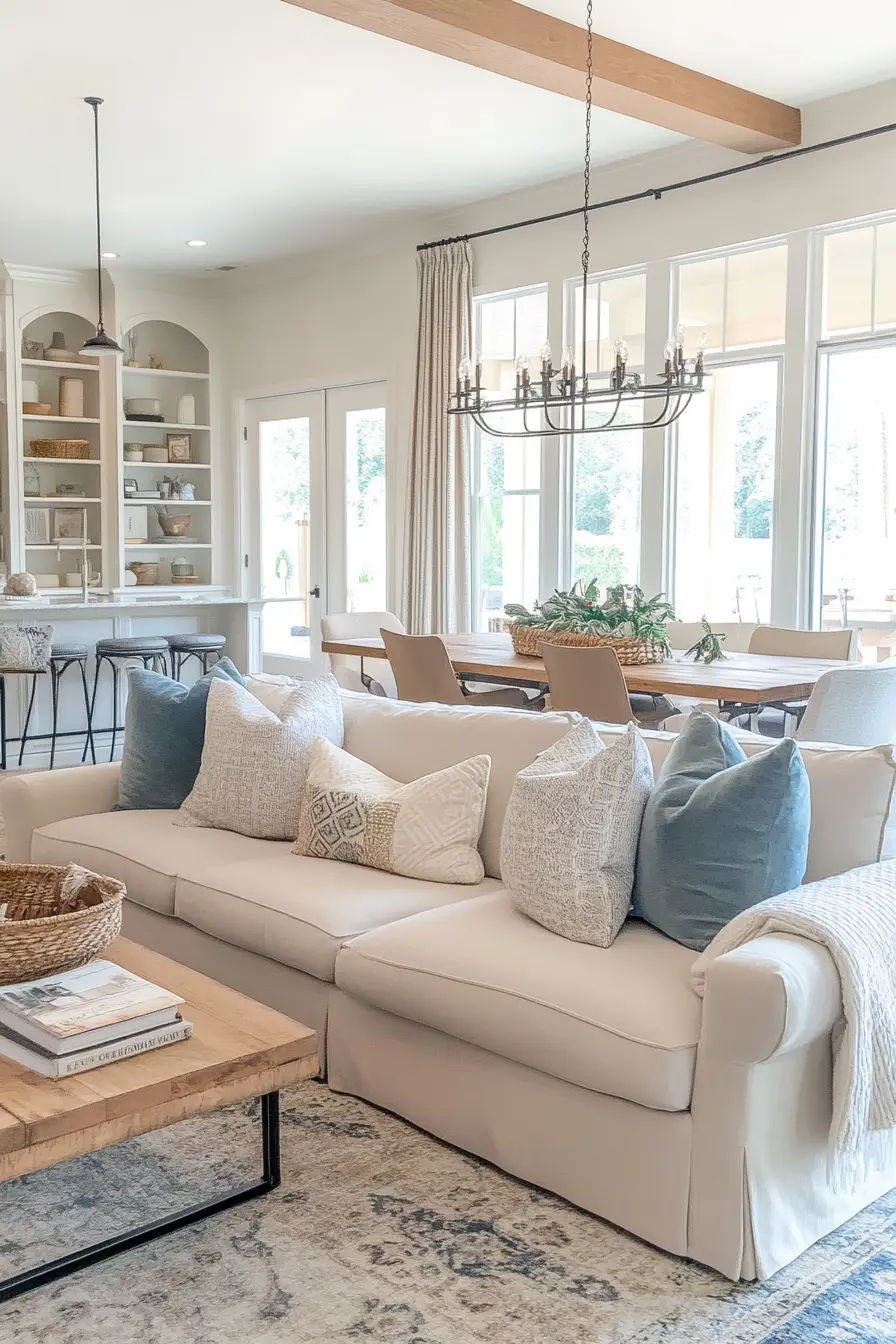
Living in a small apartment doesn’t mean you have to live with clutter, chaos, or cramped rooms. In fact, some of the most peaceful, open-feeling homes in the world are small by design. That’s where Japandi apartments come in.
Japandi—a blend of Japanese minimalism and Scandinavian warmth—has become one of the most popular interior design styles for small spaces. Why? Because it focuses on simplicity, functionality, natural light, and calm, all of which make compact apartments feel surprisingly open.
In this complete guide, we’ll explore 10 small space designs that feel open: Japandi apartments, explain why this style works so well, and show you exactly how to apply it step by step in your own home.
Quick Summary: Key Takeaways
Japandi design blends Japanese minimalism + Scandinavian coziness
Ideal for small apartments due to clean lines and clutter-free layouts
Uses neutral colors, natural materials, and smart storage
Focuses on function, calm, and visual openness
Works beautifully in studios, one-bedroom, and compact city apartments
What Is Japandi Design?
Japandi is a hybrid interior design style that combines:
Japanese Zen philosophy (simplicity, balance, intention)
Scandinavian hygge (comfort, warmth, livability)
The result is a style that feels:
Calm but not cold
Minimal but not empty
Warm yet uncluttered
For small apartments, this balance is a game-changer.
Why Japandi Apartments Feel So Open in Small Spaces
How does Japandi make small apartments feel larger?
Japandi design removes visual noise. Instead of filling space, it respects space.
Key reasons it works so well:
Fewer but better-quality furniture pieces
Low-profile layouts that open sightlines
Light, neutral color palettes
Hidden and integrated storage
Think of Japandi like a deep breath for your home.
Core Elements of Small Japandi Apartments
Before diving into the designs, let’s understand the essentials.
Japandi Design Essentials
Neutral tones (beige, off-white, warm gray)
Natural wood (oak, ash, walnut)
Matte finishes
Soft textures (linen, wool, cotton)
Clean, functional layouts
10 Small Space Designs That Feel Open: Japandi Apartments
Let’s explore real-world Japandi apartment ideas that maximize openness without sacrificing comfort.
1. Open-Plan Japandi Studio Apartment
Walls are kept to a minimum, allowing light to flow freely.
Why it works:
Clear zoning using rugs and furniture
No visual barriers
Best for: Studio apartments and lofts
2. Minimal Japandi Living Room With Low Furniture
Low-profile sofas and coffee tables keep the ceiling visually higher.
Design tip: Choose furniture with legs to allow airflow underneath.
3. Japandi Apartment With Neutral Layering
Multiple shades of beige, cream, and soft gray add depth without clutter.
Result: The space feels rich, not flat.
4. Japandi Kitchen-Dining Combo
Compact kitchens blend seamlessly into dining areas.
Key features:
Handleless cabinets
Wood countertops
Hidden appliances
5. Light-Filled Japandi Bedroom
A low bed, soft bedding, and uncluttered walls create calm.
Bonus: Fewer furniture pieces = more visual space.
6. Japandi Apartment With Smart Storage
Built-in storage keeps everyday items out of sight.
Examples include:
Bench seating with storage
Wall-mounted cabinets
Hidden drawers
7. Japandi Apartment With Natural Textures
Wood, stone, linen, and clay soften minimalism.
Why it matters: Texture replaces decoration.
8. Japandi Bathroom in a Small Apartment
Simple tiles, floating vanities, and soft lighting make small bathrooms feel spa-like.
9. Japandi Apartment With Sliding Doors
Sliding or pocket doors save space and improve flow.
Inspired by: Traditional Japanese shoji screens.
10. Calm Japandi Apartment With Statement Pieces
Instead of many decorations, use one or two meaningful items:
A ceramic vase
A sculptural chair
A single art piece
Less truly is more.
How to Create a Japandi Apartment That Feels Open: Step-by-Step
Step 1: Declutter Ruthlessly
Ask yourself:
Do I use this?
Does it add calm?
If not, let it go.
Step 2: Choose a Soft, Neutral Color Palette
Stick to:
Warm whites
Beige
Soft gray
Muted earth tones
Step 3: Invest in Functional Furniture
Furniture Type
Japandi Choice
Why
Sofa
Low-profile
Opens sightlines
Table
Solid wood
Natural warmth
Storage
Built-in
Reduces clutter
Step 4: Maximize Natural Light
Use sheer curtains
Avoid blocking windows
Place mirrors strategically
Step 5: Add Texture, Not Clutter
Swap décor for:
Linen curtains
Wool rugs
Ceramic accessories
Common Mistakes to Avoid in Japandi Small Apartments
Overdecorating with accessories
Using cold, stark whites only
Choosing bulky furniture
Ignoring storage planning
Japandi is about balance—not emptiness.
Why Japandi Is Perfect for Urban Living
Small apartments demand intention. Japandi design:
Reduces stress
Improves functionality
Makes homes feel larger
Encourages mindful living
In busy cities, Japandi creates a quiet retreat.
Conclusion: Small Spaces, Big Calm
These 10 small space designs that feel open: Japandi apartments prove that you don’t need more square footage to feel comfortable—you need better design.
By embracing simplicity, natural materials, and thoughtful layouts, Japandi turns compact apartments into calm, breathable homes. Start with decluttering, choose purposeful furniture, and let space become part of your design.
Your small apartment can feel open. Japandi shows you how.
Frequently Asked Questions (FAQs)
1. Is Japandi good for very small apartments?
Yes, Japandi is ideal for small apartments because it prioritizes openness and function.
2. What colors work best in Japandi apartments?
Warm neutrals like beige, off-white, soft gray, and muted earth tones.
3. Can Japandi feel cozy and not cold?
Absolutely. Natural materials and soft textures add warmth.
4. Is Japandi expensive to achieve?
Not necessarily. Fewer, higher-quality pieces often cost less overall.
5. How do I start converting my apartment to Japandi style?
Begin by decluttering, simplifying your layout, and switching to neutral tones.